About After Burner II
After Burner II is Sega’s sprite-scaling hardware at full song. The same super-scaler technology behind Hang-On and Space Harrier throws an endless low-altitude chase at you here — ocean, desert, forest and canyon streaming past at a speed nothing else in 1987 could fake — while enemy formations peel off the horizon and the world rolls with your stick. Arcades shipped it in a hydraulic deluxe cabinet that physically pitched and rolled with the controls, which made it equal parts video game and theme-park ride; people queued specifically to be thrown around by a machine. The browser version keeps the part that actually mattered: the velocity.
The combat is a rhythm. The Vulcan cannon handles whatever drifts close, but the real weapon is the lock-on missile: fire with targets in your reticle and the jet marks everything in the cone, then releases a salvo that hunts each one — a full formation can fall in a single volley, and landing a huge multi-lock is the game’s pure pleasure. The enemy answers with homing missiles of its own, announced by the immortal warning voice, and the counter is the barrel roll: corkscrew on the alert and the lock breaks. Between volleys you manage speed, trading a slow jet’s tighter turning against the dodge-friendly pace of full afterburner — the throttle is the feature that earned this sequel its numeral.
The sortie is one long escalation rather than a set of levels: open-water formations give way to desert ravines, then forest runs, and finally a canyon where the game stops sending waves and starts sending aces — the closing dogfight is against the enemy’s best pilots, and they fly like it. Hiroshi Kawaguchi’s soundtrack, a driving guitar piece from Sega’s in-house sound team, is famous enough that people listen to it entirely outside the game, and the warning voice ended up quoted more often than any line Sega ever wrote.
The super-scaler era is the one people mean when they talk about arcade spectacle, and After Burner II is its jet ride: sequels and imitations followed for decades, and the lock-on volley is still the template for arcade flight shooters. It runs here free through the Internet Archive’s official arcade emulator — nothing to install, no account, keyboard controls, and a first load of ten to forty seconds while the board boots. The hydraulic cabinet is gone, so a keyboard is the honest stand-in; on phones and tablets, take the Internet Archive link instead of fighting the touch screen.
How to Play After Burner II
- 1
Click the game area first so it receives keyboard input, insert a coin with 5, then press 1 to launch.
- 2
Fly with the arrow keys — the jet goes where you point it, and altitude is life in the canyon stages.
- 3
Drum the Vulcan (Ctrl) on anything close; a stray fighter is not worth a missile.
- 4
Fire missiles (Alt) with a formation in your reticle — the jet locks every target in the cone and the salvo hunts them all.
- 5
When the warning voice calls out homing missiles, barrel roll (Space) on the alert to break the lock.
- 6
Survive ocean, desert, forest and the final canyon dogfight against the enemy aces to complete the sortie.
Controls
These arcade cabinets use the standard emulator defaults — insert coin with 5, start with 1, move with the arrow keys. Every cabinet can be remapped in the emulator’s control panel (toolbar icon). Button functions below follow each game’s original cabinet layout.
| Keys | Action |
|---|---|
| Button 1 | Vulcan cannon |
| Button 2 | Lock-on missile |
Keyboard bindings shown are the emulator’s standard defaults and can be remapped in-game (toolbar → control settings). This page documents each button’s original cabinet function.
Tips & Strategy
TIP 1
Think in volleys: one lock across a whole formation beats a hundred Vulcan hits, so hold fire until the reticle is full instead of shooting at the first plane.
TIP 2
Roll on the warning, not after it — the barrel roll only sheds missiles during the window the game gives you, and a late roll is decorative.
TIP 3
Speed is armor. The faster jet is harder to lock and buys you room to reverse, so live at afterburner and accept the wider turns that come with it.
TIP 4
In the canyon, stop steering and start positioning: small pitch corrections early beat big swerves late, because the walls kill as surely as the missiles do.
TIP 5
The aces in the final stage break locks — Vulcan them at close range where they cannot dodge, and keep the missiles for the moment they line up.
Frequently Asked Questions
Who made After Burner II?
Sega released it to arcades in 1987 on its sprite-scaling hardware, adding the throttle control that distinguishes it from the original After Burner released earlier the same year.
Is it free to play here?
Yes — the page is free with no account and nothing to install. The game streams from the Internet Archive and runs in its official arcade emulator.
Why does the first load take ten to forty seconds?
The emulator is booting a full arcade board — it streams the game data from archive.org before play starts. After that first load, browser caching makes later sessions quicker.
How does it play without the hydraulic cabinet?
Surprisingly well — the keyboard covers the stick, cannon, missiles and roll, and the speed does the rest. The rocking deluxe cabinet was the arcade luxury; the design stands without it. On touch devices, use the Internet Archive link.
Ready to Play After Burner II?
Free, instant and right on this page — no download, no signup. The cabinet is already warm.
More Games You’ll Enjoy
 ARCADE
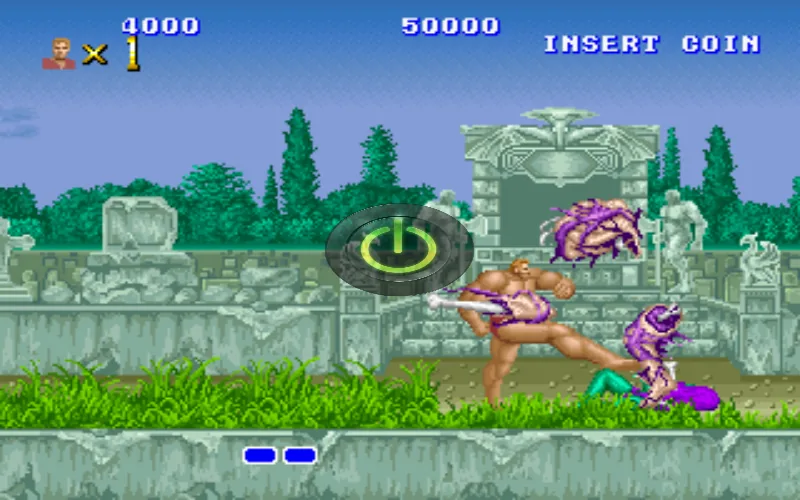
Altered Beast
Rise from your grave — win the Underworld by shapeshifting.
Sega · 1988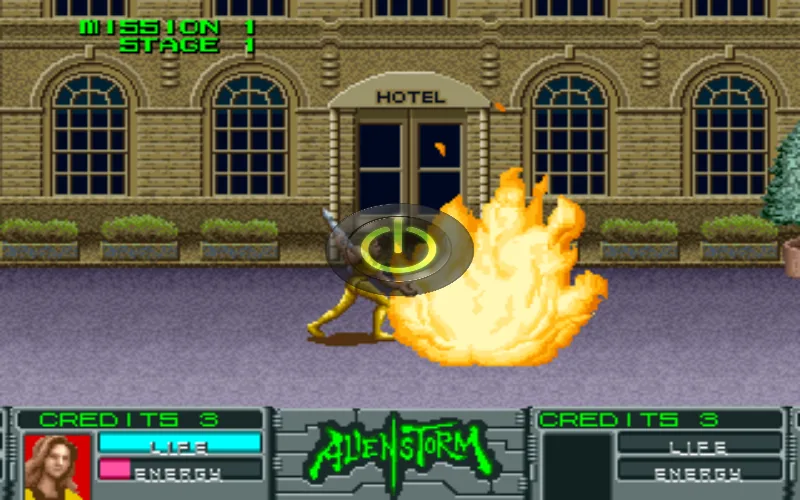 ARCADE
Alien Storm
The aliens are already here, wearing human faces. Find them.
Sega · 1990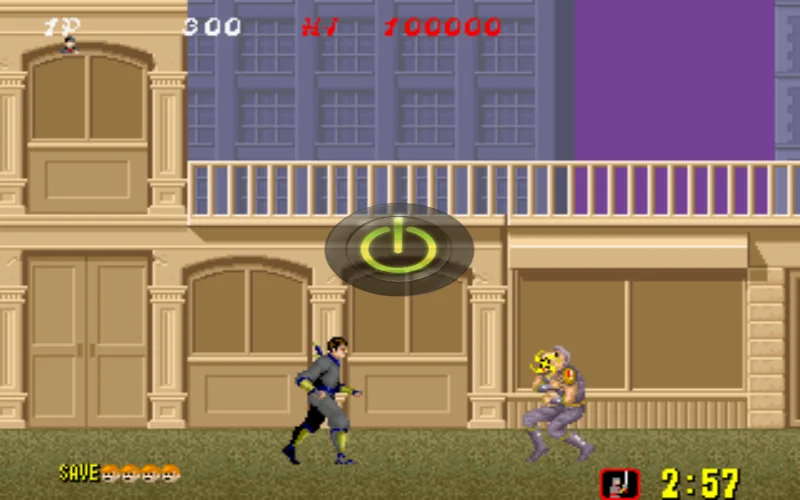 ARCADE
Shinobi
The 1987 original — Joe Musashi vs. the Zeed syndicate.
Sega · 1987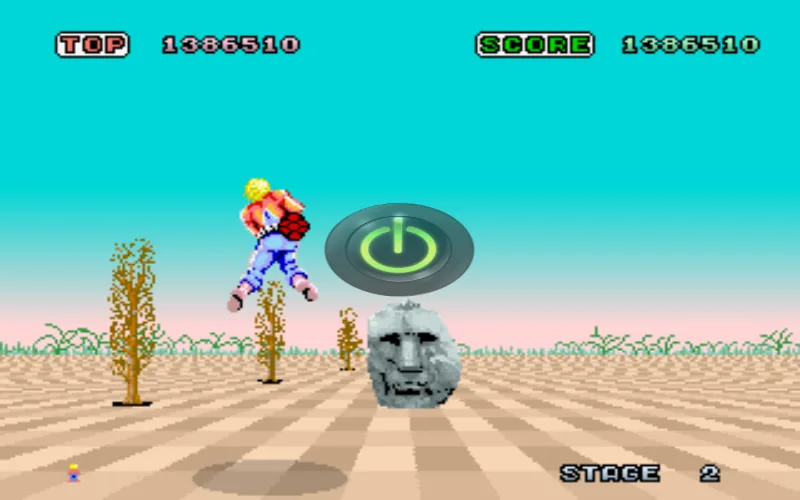 ARCADE
Space Harrier
Fly the Fantasy Zone — Sega’s 1985 rail-shooter spectacle.
Sega · 1985Explore more sega games in the dedicated collection, or browse the full games catalog — from classic and puzzle to fast arcade and action titles. Every page plays instantly on desktop and mobile.