
Classic Games Online — Timeless Free Browser Games
Some games never age. The classic games online in this collection are the ones generations grew up with — a snake hungry for pixels, a 3×3 grid of crosses and noughts, a vertical rack of discs, a board of black and white that can flip in two moves. Their rules fit in a sentence, yet people have been studying them for decades.
That is the strange magic of this shelf: these are simultaneously the first games a child can learn and the last games a computer can fully solve. Our tic tac toe opponent plays perfect minimax — mathematically unbeatable — while the connect four and reversi AI levels climb from friendly to genuinely punishing. Nostalgia is the entry point; real strategy is what keeps you here.
Every classic below is free, needs no download or sign-up, and includes a two-player mode for sharing one screen with a friend, a sibling or a waiting room. They are also the ideal games to hand to someone who “doesn’t play games” — ten seconds of explanation, then the grid does the rest.
There is a quiet satisfaction in playing these on modern hardware, too. Every one of them predates the web by decades — arcade halls, paper grids and plastic racks — and this collection keeps their rules intact while the rendering, touch input and AI opponents are entirely of this decade. Nothing is re-imagined, nothing is paywalled: just the originals, honest and instant, the way you remember them.
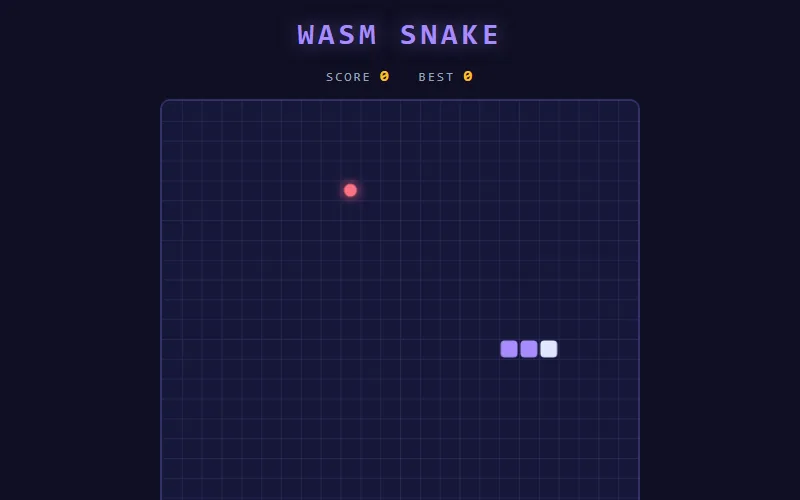 WASM
WASMSnake Game
The original arcade snake — eat, grow, survive, repeat.
Classic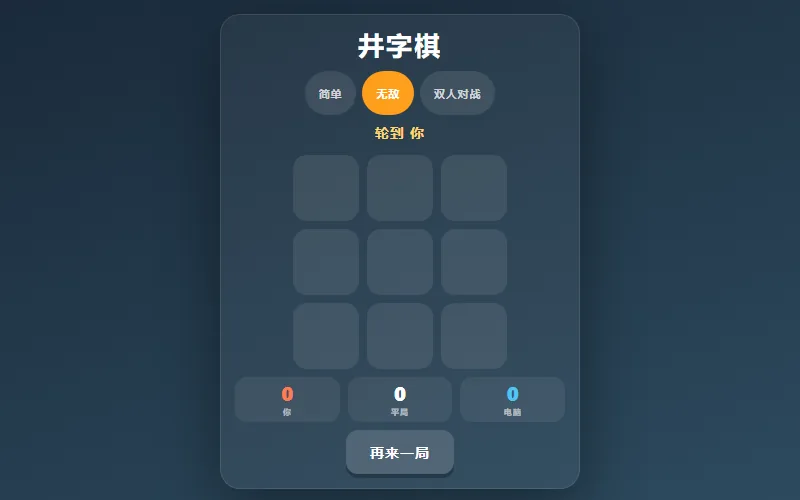
Tic Tac Toe
Three in a row vs an unbeatable AI or a friend.
Classic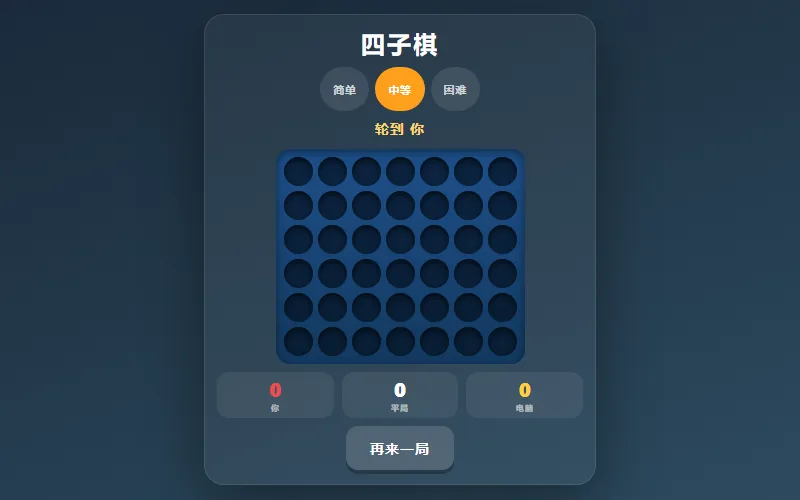
Connect Four
Drop discs, build threats, line up four to win.
Classic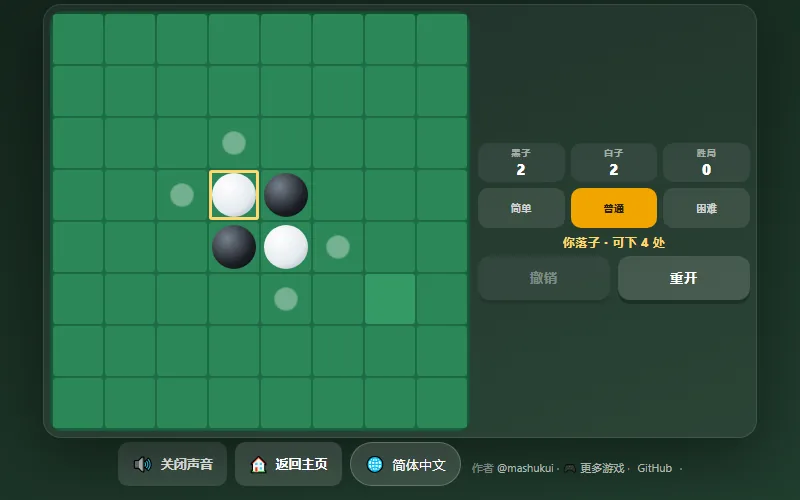
Reversi (Othello)
Flip the board — trap discs and own the majority.
Classic
Battleship
Place five ships, hunt the AI fleet on a 10×10 grid.
ClassicA Short History of the Classics
Each game here earned its keep in a different century. Tic tac toe is the oldest logic on the shelf — versions have been traced to ancient sites, and Roman players competed at a three-in-a-row game called terni lapilli. Reversi was patented in London in 1883 and received its modern Japanese refinement, Othello, in 1971. Connect Four arrived as a 1974 Milton Bradley design and was mathematically solved in 1988: with perfect play, the first player always wins.
Snake is the newest and the most traveled — born as the 1976 arcade game Blockade, scattered across a hundred home computers, and finally delivered to most of the planet when Nokia preinstalled it on mobile phones in 1997. Survival is the common thread: each design proved so complete that nobody has genuinely improved it in generations, which is why the classic games online in this collection feel less like nostalgia and more like well-kept working machinery.
Why Classic Games Still Work
Because they are pure structure — perfect information, symmetric starts, and rules short enough to hold in your head. There is no hidden randomness to blame and no meta to study, so every loss is entirely your own and every win is unambiguously earned. That honesty ages well; it is a large part of why classic games online still hold players decades after their inventors stopped counting.
They are also the most social games on the site. The rules cross languages and generations — a child, a grandparent and a stranger in a waiting room all already know how Connect Four begins. Two-player mode turns any board into a five-minute best-of-three, while the AI opponents guarantee nobody waits for a human challenger. Free access with no sign-up completes the deal: the oldest shelf on the site is also the easiest one to share.
House rules are part of the charm, too. Every family plays Connect Four slightly differently, every Reversi table argues about whether corners must be filled, and tic tac toe tournaments appear wherever a paper pad and a bored pair of players meet. The games are simple enough to bend and deep enough to survive it — which is exactly why a rules-intact version like this one is worth having: it gives you the shared original before anyone starts inventing variants.
Tips for Beating the Board
A few habits pay for themselves immediately. In Connect Four, fight for the center column first — more winning lines run through it than through any other file, and the solved-game proof leans on exactly that fact. In Reversi, corners are permanent, because a disc played there can never be flipped: never hand your opponent a corner move, and treat the edges as late-game assets rather than early prizes.
In Snake, spend the early game on patience: grow in open space, hug the walls once the board tightens, and never turn into a square your tail is about to occupy. Against the tic tac toe AI, accept that winning is off the table — the real game is holding the draw, move after move. Treat the perfect opponent as a free logic lesson and it will happily show you where your openings collapse.
FAQ
Why are these games called classics?
Because their rules have survived decades — most of them since the 1970s arcade era or earlier. Snake, tic tac toe, connect four and reversi are the games people already know how to play, preserved here with clean modern engines.
Can I play these classic games with a friend on the same device?
Yes. Tic tac toe, connect four and reversi all include a two-player mode that shares one screen or one keyboard, so you can settle a score face to face without a second device or any account.
Do the games work on phones and tablets?
Absolutely. Every classic here is built for touch — swipe the snake, tap the columns, drag the discs — and each board scales cleanly from a phone screen up to a desktop monitor.
Have any of the original rules been changed?
No — the rules are kept intact on purpose. What changed is everything around them: rendering, touch input and AI opponents that did not exist when these games lived on paper and plastic. If you learned one of these decades ago, nothing here will surprise you; if you are learning today, you are learning the real thing.
How strong are the computer opponents?
Strong by design. Tic tac toe plays perfect minimax, so the best possible result is a draw — that is mathematics, not difficulty tuning. Connect Four and Reversi offer several levels that climb from forgiving to genuinely punishing, so there is a fair opponent whether it is your first game or your hundredth.
In the mood for something newer? Our arcade games bring the same instant-play spirit to score chasing, while puzzle games stretch your deduction muscles and action games test your reflexes. The complete list of every classicand modern title lives in the games catalog, with featured picks on the homepage.